

We eat every day, but do we truly understand what kind of diet allows us to maintain health and vitality? When attempting to design a healthy diet for yourself, the primary task is to define what a "healthy diet" actually means. The term "healthy" is subjective, and its definition varies depending on whom you ask. Broadly speaking, what constitutes a healthy diet for you may differ from what constitutes a healthy diet for someone else. For most people, counting calories and macronutrients (carbohydrates, fats, and proteins) is unnecessary. While tracking intake may be beneficial for those whose ultimate goal is healthy weight loss, others are better off focusing on the overall quality of their dietary patterns.
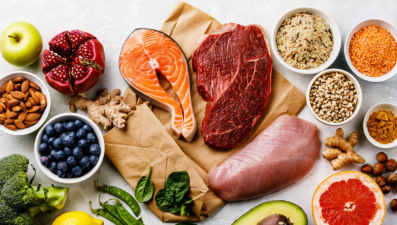
What Is a Healthy Diet?
A healthy diet consists of diverse, balanced, and moderate meals that meet the body's nutritional needs at every stage of life, thereby promoting physical, mental, and social well-being.
A healthy diet includes the following foods:
- Fruits, vegetables, legumes (such as lentils and beans), nuts, and whole grains (such as unprocessed maize, millet, oats, barley, and brown rice).
- The consumption of at least 400 grams (i.e., 5 servings) of fruits and vegetables per day, excluding potatoes, sweet potatoes, cassava, and other starchy roots.
- Less than 10% of total energy intake should come from free sugars. For an individual of normal body weight consuming approximately 2,000 calories per day, this equates to 50 grams (or roughly 12 teaspoons). Ideally, however, this figure should be kept below 5% of total energy intake to maximize health benefits. Free sugars include all sugars added to foods or beverages by manufacturers, cooks, or consumers, as well as sugars naturally present in honey, syrups, fruit juices, and fruit juice concentrates.
- Fat intake should account for less than 30% of total energy intake. Unsaturated fats (found in fish, avocados, nuts, sunflower oil, soybean oil, canola oil, and olive oil, among others) are preferable to saturated fats (found in fatty meats, butter, palm oil, coconut oil, etc.) and all forms of trans fats. It is recommended to reduce saturated fat intake to less than 10% of total energy intake; reduce trans fat intake to less than 1% of total energy intake; and eliminate industrially produced trans fats whenever possible. Trans fats are not part of a healthy diet and should be avoided.
- Daily salt intake should be kept below 5 grams (equivalent to approximately one teaspoon). Salt should be iodized. Excessive sodium intake leads to high blood pressure and increases the risk of heart disease and stroke.
A healthy diet is also crucial for infants and children, as it influences their growth and cognitive development, and reduces their risk of developing non-communicable diseases later in adulthood.

The WHO recommends:
- Infants should be exclusively breastfed during the first six months of life.
- Breastfeeding should continue until the age of 2 years or beyond.
- From 6 months onward, breastfeeding should be complemented with a variety of safe, nutritionally adequate, and solid foods.
- Salt and sugar should not be added to complementary foods.
How can one have a healthy diet?
Practicing a healthy diet does not require a complete overhaul of our eating habits; rather, it can be achieved by improving our daily food choices through simple yet effective methods.
Here are some practical tips:
- Whenever possible, choose fresh, unprocessed, or minimally processed foods; avoid processed foods that are high in calories, fat, sugar, and salt (such as instant noodles, ready-to-eat meals, canned goods, cured meats, etc.).
- Eat plenty of fruits and vegetables; they can serve as main dishes, snacks, or desserts. Try to consume fruits and vegetables of various colors, shapes, and flavors to increase your intake of nutrients and antioxidants.
- Choose staple foods made from whole grains—or containing whole-grain ingredients (such as wheat germ, rolled oats, etc.)—rather than refined staple foods (such as white bread, white noodles, white rice, etc.). Whole grains are rich in dietary fiber, which helps regulate blood sugar and cholesterol levels while promoting digestive health. 4. Consume animal-based foods (such as meat, poultry, fish, dairy products, and eggs) in moderation, and opt for lean cuts or parts with the skin and excess fat removed. Animal-based foods provide high-quality protein, iron, and other essential nutrients; however, they may also contain higher levels of saturated fats and cholesterol. It is recommended to consume deep-sea fatty fish (such as salmon, mackerel, etc.) at least twice a week to replenish omega-3 unsaturated fatty acids.
- Limit the consumption of foods containing trans fats, such as baked goods, fried foods, pre-packaged snacks and meals (e.g., frozen pizzas, pies, cookies, crackers, etc.), as well as certain margarines and spreads. Trans fats pose serious risks to cardiovascular health and should be avoided whenever possible.
- Reduce the amount of salt and sugar added to foods and beverages, particularly during cooking and food processing. You can also use natural seasonings—such as spices, herbs, and lemon juice—to enhance flavor without relying on salt and sugar. Additionally, make a habit of checking nutrition labels to select products with lower sodium and sugar content.
- Drink plenty of water and limit the consumption of sugary beverages (such as carbonated soft drinks, fruit juices, sports drinks, etc.). Water is the best way to quench thirst; it adds no extra calories and causes no harm to teeth. Sugary beverages not only contribute to weight gain but also increase the risk of dental cavities and non-communicable diseases.
- Limit alcohol intake in moderation. Excessive alcohol consumption can cause damage to the liver, pancreas, heart, and brain, while also increasing the risk of various medical conditions and chronic diseases. The World Health Organization (WHO) recommends limiting intake to no more than 14 standard units per week (approximately equivalent to six glasses of beer or six small glasses of red or white wine).

Conclusion
A healthy diet is one of the key factors in maintaining our physical and mental well-being. We should select a diverse, balanced, and moderate range of foods based on our individual circumstances, cultural background, and availability, while following the practical recommendations provided by the WHO to improve our daily dietary habits. At the same time, we should combine our dietary choices with appropriate physical activity to maintain energy balance and enjoy a delicious yet healthy lifestyle.